the self-improvement paradox
Social media (particularly Instagram and X) has played a huge role in my journey to self-improvement; however, not in the glossy and cliché #ThatGirl way you might imagine. I don’t mean the stereotypical motivational (yet unrealistic) morning routines on TikTok, the perfectly colour-graded sunrise runs on Strava, or the endless “books I’ve read this month” lists on Instagram.
Cultural theorist Michael Feher calls this mindset a form of neoliberal subjectivity: we treat ourselves like human capital, constantly trying to “appreciate” our value, as if we were portfolios that need to be optimised.
But honestly? I’m not buying it.
Those posts feel hyper-curated, staged for engagement rather than authenticity. They don’t inspire me to improve; if anything, they remind me how artificial the ‘self-improvement’ industry has become.
doomscrolling my way to enlightenment
What actually does push me toward self-improvement is the act of doomscrolling itself.
It’s ironic, but scrolling through chaos has somehow become my wake-up call.
A few months ago, I noticed how far-right, racist, homophobic, and sexist content started appearing on my X feed. I kept hitting “Not Interested”, but Musk’s algorithm didn’t care. My feed became a landfill, and I started feeling anxious, heavy, and honestly just gross. But my emotional exhaustion wasn’t my fault; it was a by-product of an economic system that feeds on outrage.
One random afternoon, I deleted the app cold turkey.
And weirdly enough, it felt like an act of self-care and even rebellion. If platforms are designed to monetise our attention by amplifying negativity, then opting out is the most radical form of self-improvement there is.
Deleting X wasn’t just about protecting my peace. It was about rejecting a platform that profits from making me miserable.
finding creativity in the scroll
That said, not all digital encounters are toxic. For all its flaws, Instagram has become my unlikely creative sanctuary.
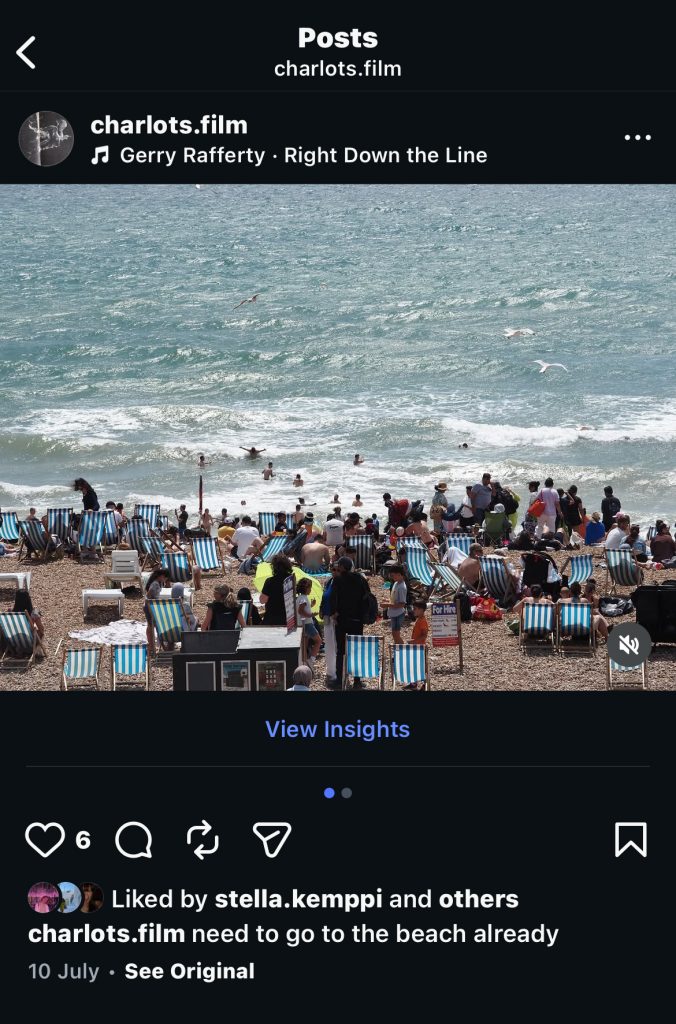
Over the summer, while everyone else posted their beach holidays back home, I was stuck in London putting in a shift on Rightmove and Zoopla, trying to find a flat for the next year. It was bleak. I felt completely uninspired and trapped in a monotonous loop of property listings and flat viewings.
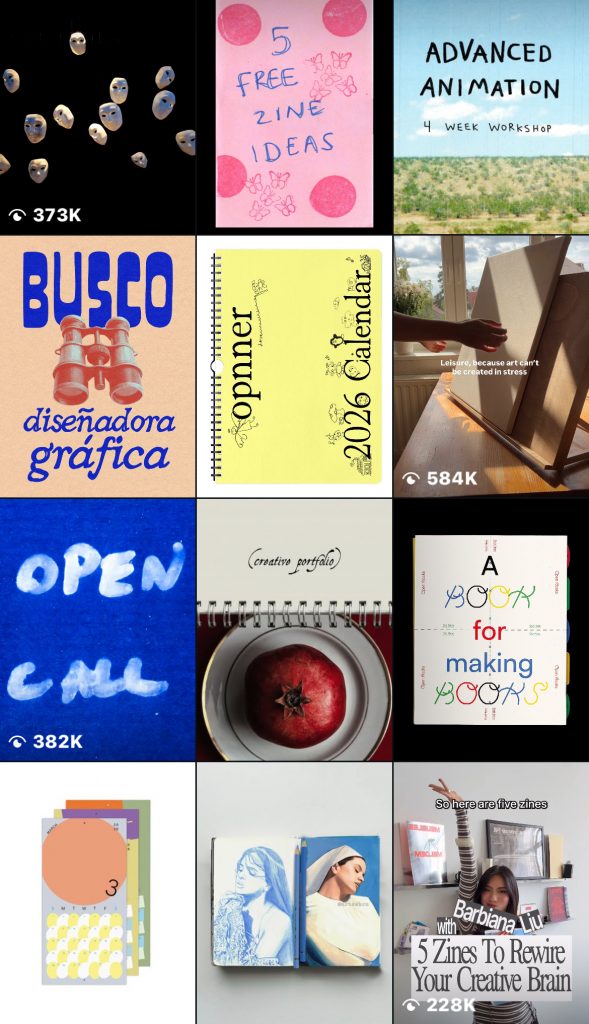
Seeing photographers and artists post their work on Instagram sparked me to create another account just for my photography – one that no one else follows and I don’t care about likes or comments. It’s a small, quiet corner of the internet that exists purely for me. On that account, my feed is filled with other photographers, artists, and designers. The algorithm works differently there; it fills my feed with creativity; it inspires rather than drains me.
a canal and a camera
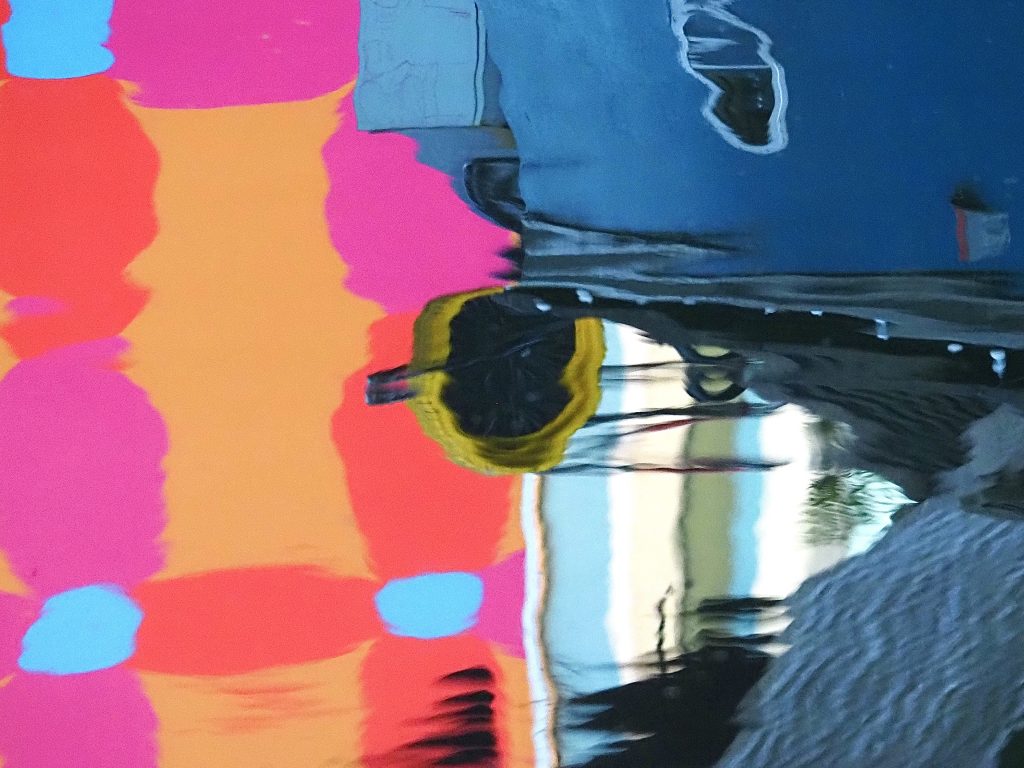
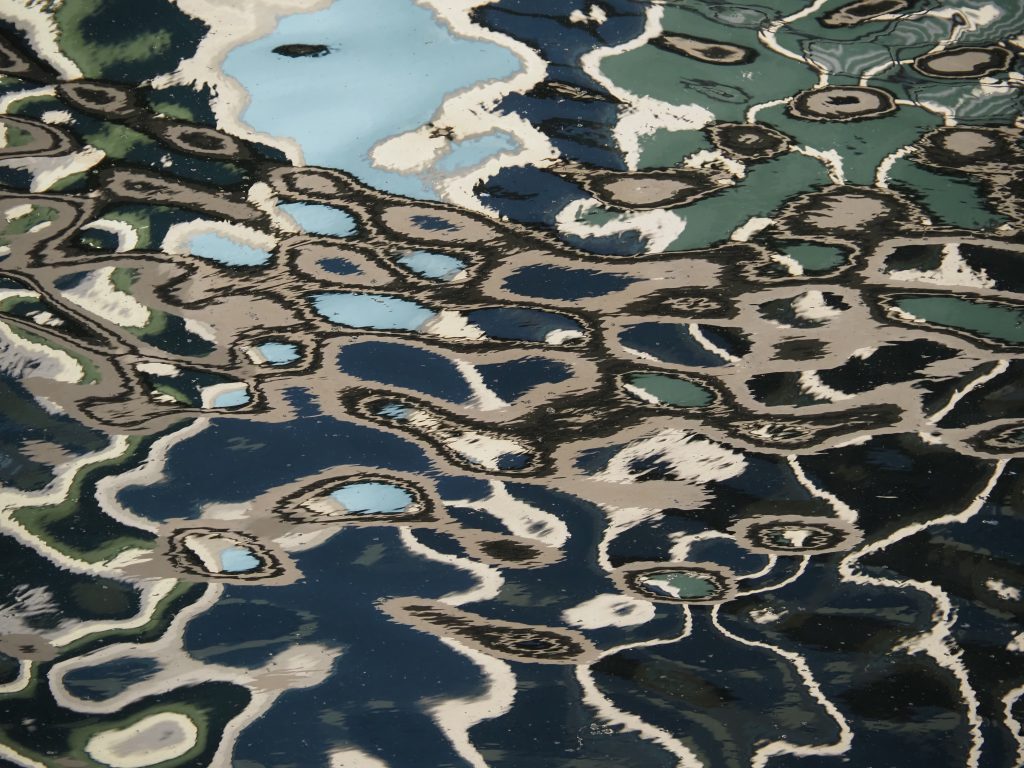
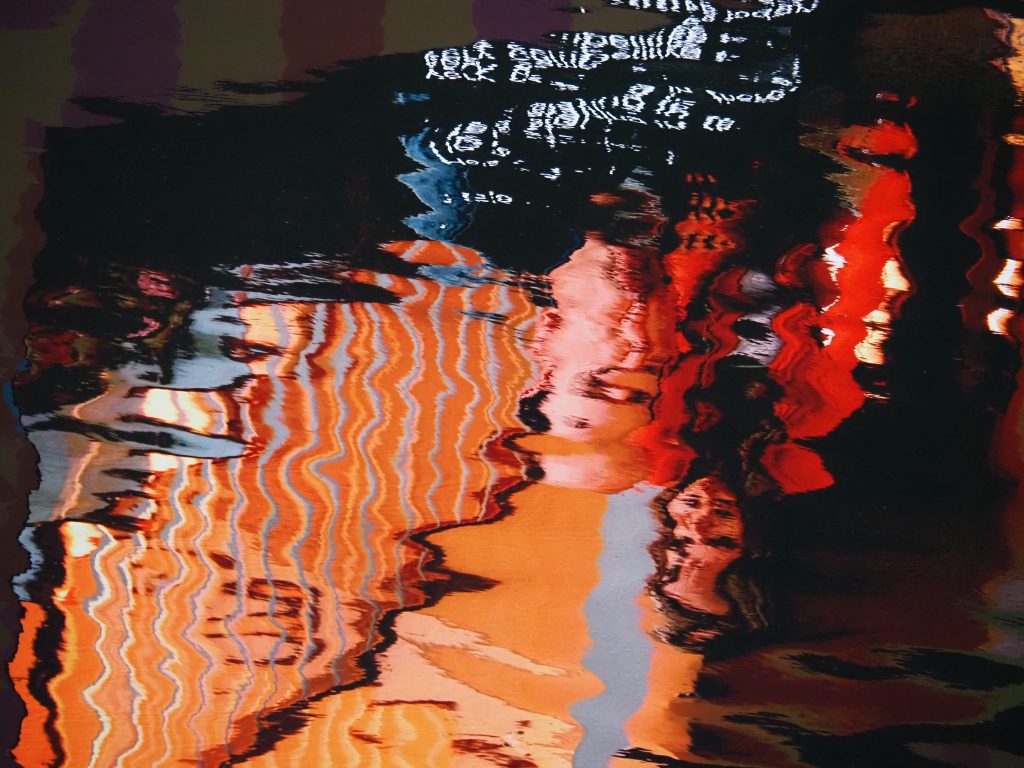
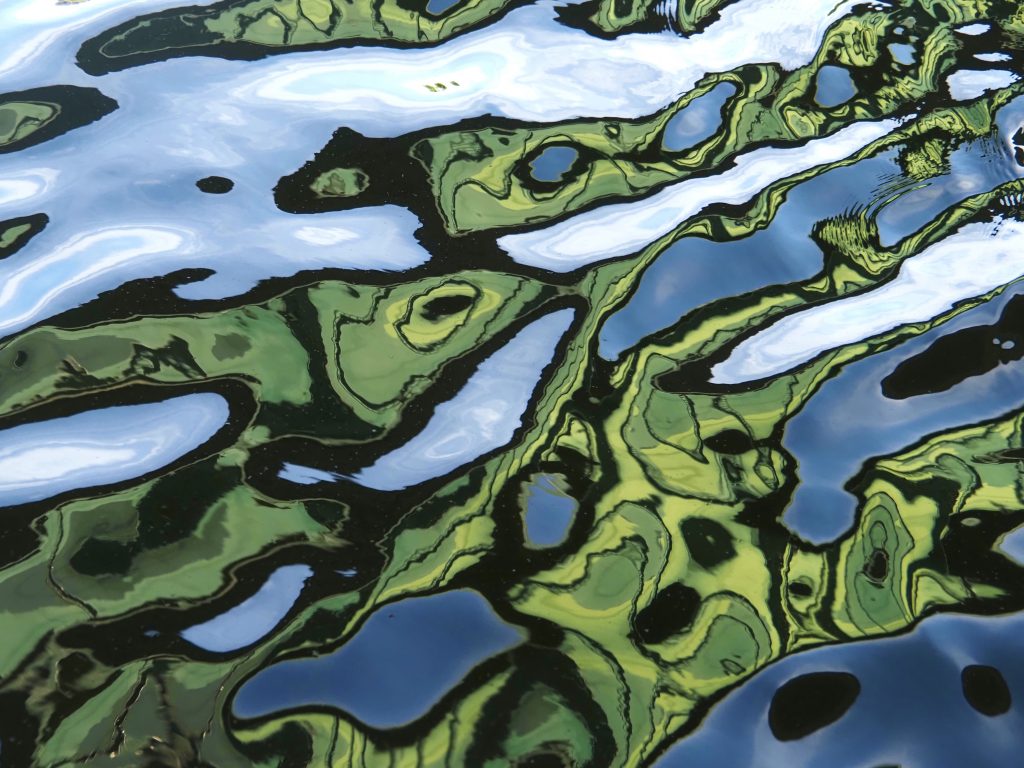
One evening, I stumbled across an abstract photographer who shot the water reflections in London’s canals — no idea what their name was, but the photos were incredible. Since I lived in King’s Cross, right by the Coal Drops Yard canal, I realised I could try shooting photos just like theirs literally in my backyard. So the next day, I grabbed my camera and started exploring.
For the next few days, I spent hours marching up and down the canal, trying every different angle and time of day I could think of. One day, I had the brilliant idea of going during lunchtime during a horrible heatwave, assuming the sunlight would intensify the reflections… big mistake.
These are some of the photos I took : )
feeding the good wolf
If there’s one thing I’ve realised, it’s that online self-improvement is about reclaiming control.
The same platforms that drain us can also inspire us; it just depends on how we use them and what we choose to give attention to.
Deleting X made me feel lighter, starting a creative Instagram account made me feel purposeful. Both were forms of self-improvement, though in very different ways.
So maybe the key isn’t logging off entirely. Maybe its learning how to scroll smarter.
Leave a Reply