Don’t get me wrong, I am also excited to watch the upcoming second part of Wicked. But every time Hollywood drops another adaptation, a small part of me dies inside. Haven’t we had enough? Can no one think for themselves anymore?
In this media environment of constant remakes, adaptations, prequels, and sequels, I find myself channelling Theodor W. Adorno and Mark Horkheimer’s pessimism in The Culture Industry: Enlightenment as Mass Deception, where they wrote that:
“Culture today is infecting everything with sameness”
and that
“All mass culture under monopoly is identical”.
Eight decades later, this still feels painfully accurate.
copy, paste, profit
Modern cinema has become a recycling bin of familiar stories. Disney is the most infamous culprit, with its endless live-action remakes like The Little Mermaid (2023), Snow White (2025), and Lilo and Stitch (2025). Meanwhile, superhero franchises like Marvel and DC keep stretching their universes infinitely, following the same five-act formula every single time.
But recycling isn’t limited to superheroes and princesses. Take Wicked: For Good (2025) – a sequel to a film adaptation of a musical inspired by a movie (The Wizard of Oz, 1939), itself based on a novel (L. Frank Baum’s The Wonderful Wizard of Oz, 1900). It’s cultural déjá vu: a remake of a remake of an adaptation. The same goes for Emerald Fennell’s upcoming Wuthering Heights (2026), starring Jacob Elordi and Margot Robbie; another fresh retelling of Brontë’s 1847 classic.
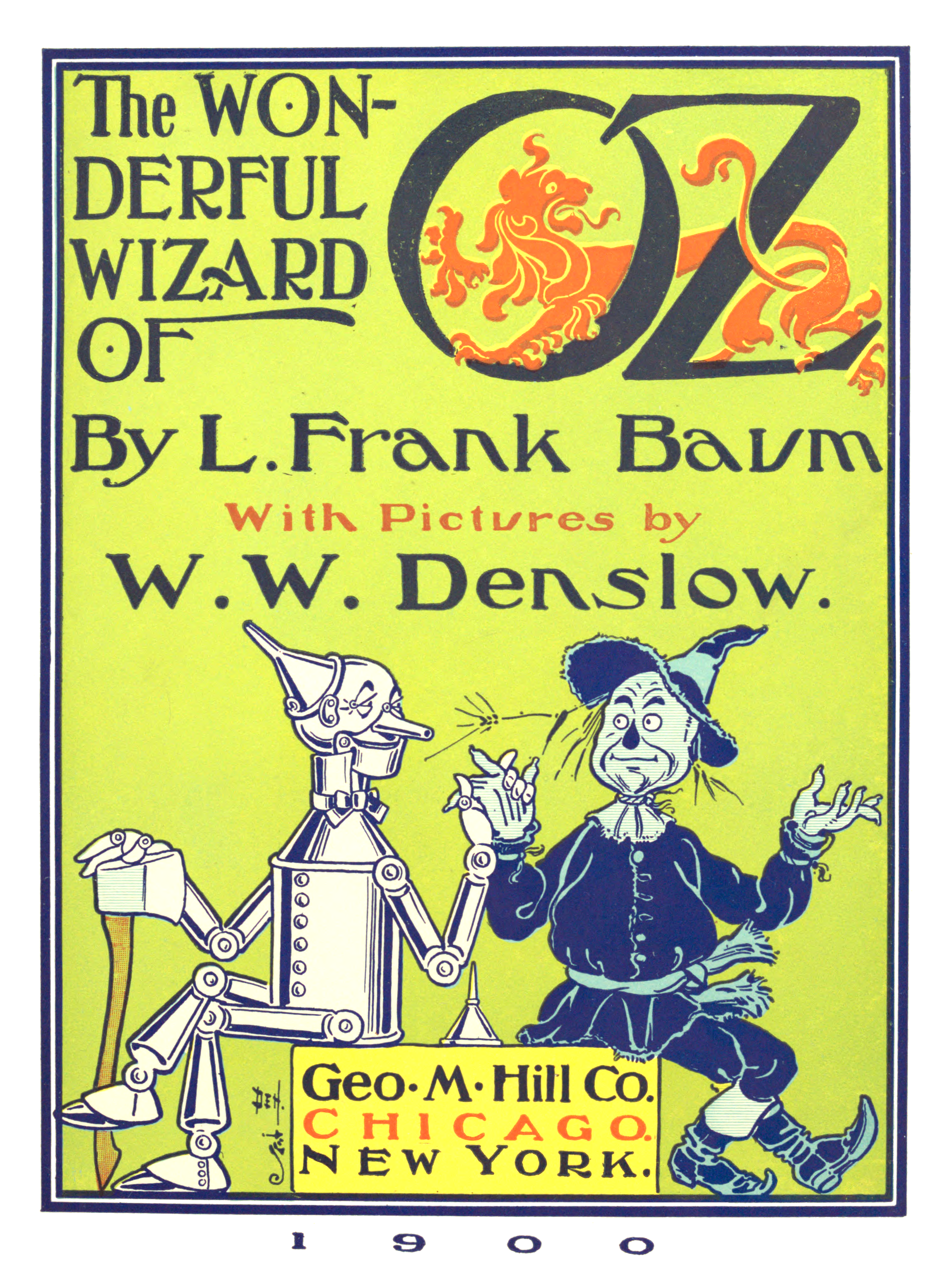
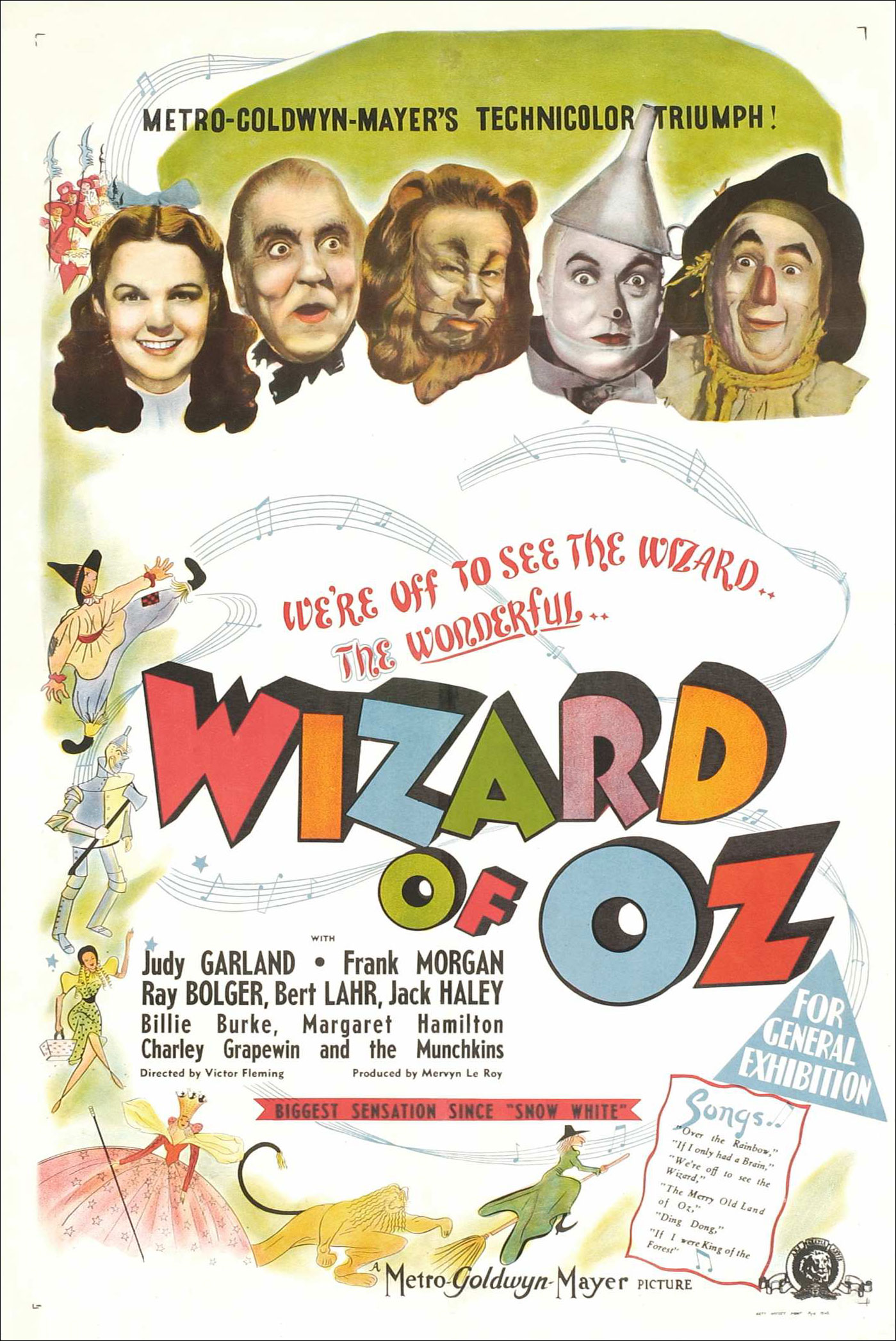

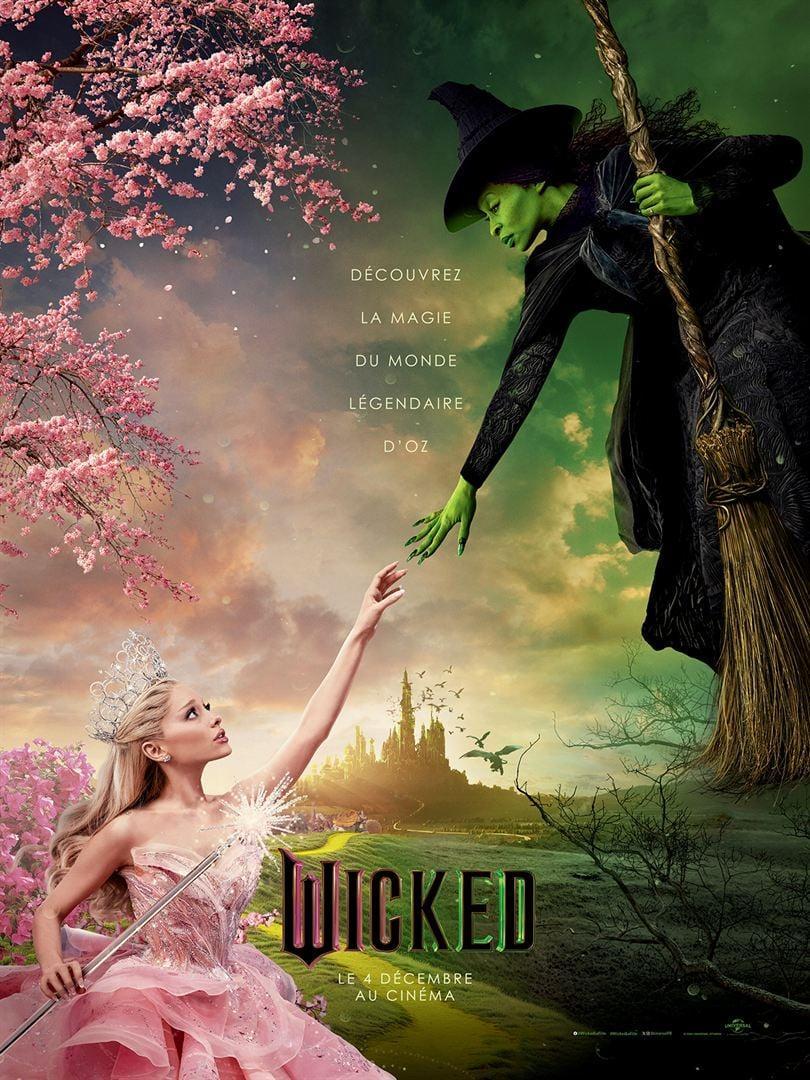
So why do studios keep doing this? Because it works, obviously. Familiar stories guarantee box office success. As Adorno and Horkheimer put it:
“The whole sphere of cheap commercial entertainment reflects this dual desire. It induces relaxation because it is patterned and pre-digested.”
Thus, Martin Scorsese wasn’t wrong in claiming that superhero films aren’t real cinema – they’re safe bets. Formula sells.
And if Hollywood relies on repetition, it’s no surprise that social media mirrors the same logic.
what about social media?
If Adorno and Horkheimer thought mid-20th-century mass media was bad, what would they say about TikTok?
This sameness now defines self-made social media content as well. TikTok creators optimise every aspect of their videos to satisfy the algorithm: identical hashtags (#grwm, #ootd), identical editing, and identical “oops-I’m-running-out-of-time” cliffhangers that usher us to “go to part two” and see the final result.
What looks like creativity online is often compliance. To “succeed” online, you have to fit the mould.
Even users’ rebellion against Instagram’s curation – the photo dump trend – quickly became aestheticised. It began as a rejection of perfection, but soon users were posting “photo dump tutorials” explaining which photos looked “unpolished enough” to fit the aesthetic.
Even spontaneity became formulaic.
Actually, cultural uniformity is so strong it crosses languages. I constantly catch Spanish TikTok creators casually saying “get ready with me” instead of “prepárate conmigo”, or “outfit of the day” instead of “modelo del dia”.
The culture industry hasn’t only standardised what we consume; it’s standardised how we speak about ourselves and our daily lives.
“[The culture industry] proclaims: you shall conform, without instruction as to what; conform to that which exists anyway as a reflex of its power and omnipresence.”
Theodor W. Adorno and Mark Horkheimer
so, where does originality go?
If everything keeps looping — the same stories, the same aesthetics, the same algorithms — where does it stop? And what does it take for something truly original to cut through the noise?
Leave a Reply